
I have been thinking a lot recently about the relationship between criminal law and financial markets, and want to write more about this in the future. One of the things that has struck me is the links that have been drawn between between the financial crisis of 2008/09 and criminal misconduct by bankers and financial traders - and the claim that criminal behaviour was at least partially responsible for the crisis.
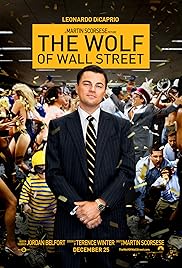 This is not just rhetoric. There have been a number of high profile prosecutions. Traders have been prosecuted for LIBOR rigging or the exploitation of high frequency trading algorithms to exploit minute differences in prices between different markets. Banks have been fined for the mis-selling of financial products. And the Parliamentary Commission on Banking Standards which reviewed the conduct of the major banks in the wake of the crisis concluded that it was necessary to create a new criminal offence of "reckless misconduct in the management of a bank". And think about the slew of recent movies from The Wolf of Wall Street to Margin Call or The Big Short, which dramatise the crash in terms of criminal conduct and depict financial institutions and markets as a new kind of 'wild west' where there are few, if any restraints on conduct, and criminal conduct is positively encouraged.
 These changes in the use of the criminal law reflect a more fundamental change in understandings of markets
themselves. For a long time markets have been seen as essentially 'orderly'. The free market, in the conception of Adam Smith, had its own logic: it was naturally stabilising and self-regulating. If, on occasion, the criminal law needed to step in it was to deal with fraud or deception - policing the outer limits of acceptable conduct. However, in the vision of the markets that appears in these recent reports it is no longer just the ‘rogue trader’ or the ‘bad apple’ that is the
problem. Increasingly, financial institutions and market relations
are themselves seen as criminogenic, corrosive of social relations and
incentivising opportunistic criminal conduct. The market, that is to say, is not orderly but disorderly, and criminal law should not only police the margins but shore up the core values and structures. And this is not simply the view of
anti-capitalist scholars and activists, but of market advocates and
conventional economists, who now talk about the need to regulate markets more tightly - and advocate the more systematic use of the criminal law.
These changes in the use of the criminal law reflect a more fundamental change in understandings of markets
themselves. For a long time markets have been seen as essentially 'orderly'. The free market, in the conception of Adam Smith, had its own logic: it was naturally stabilising and self-regulating. If, on occasion, the criminal law needed to step in it was to deal with fraud or deception - policing the outer limits of acceptable conduct. However, in the vision of the markets that appears in these recent reports it is no longer just the ‘rogue trader’ or the ‘bad apple’ that is the
problem. Increasingly, financial institutions and market relations
are themselves seen as criminogenic, corrosive of social relations and
incentivising opportunistic criminal conduct. The market, that is to say, is not orderly but disorderly, and criminal law should not only police the margins but shore up the core values and structures. And this is not simply the view of
anti-capitalist scholars and activists, but of market advocates and
conventional economists, who now talk about the need to regulate markets more tightly - and advocate the more systematic use of the criminal law.If I am right about this, then criminal lawyers need to start thinking beyond the immediate question of, say, bank regulation, and begin to engage with the broader questions about how we think about the relation between markets and social order.


No comments:
Post a Comment